Bye-Bye Dark Spots! Secrets to Keep Melasma from 'Coming Back' to Your Face


Bye-Bye Dark Spots! Secrets to Keep Melasma from 'Coming Back' to Your Face
Let's Get to Know Melasma
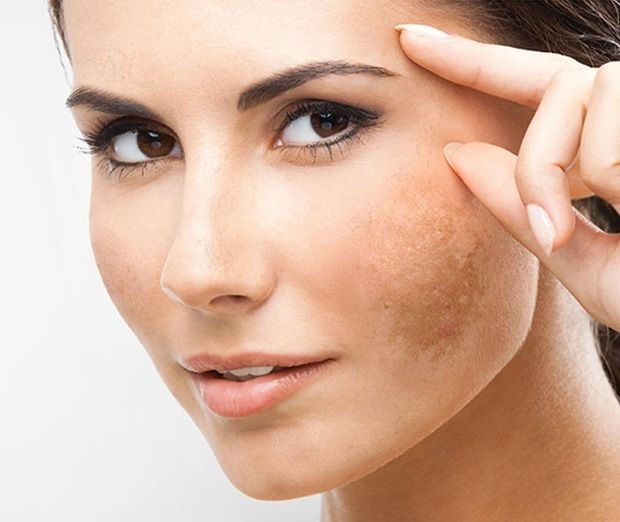
Hi, Beauty! Did you know those symmetrical brownish patches appearing on your face are most likely melasma? This condition is actually very common, especially for us living in tropical areas with scorching sunlight every day. Although melasma is not harmful to your physical health, these spots often make self-confidence plummet because their color contrasts sharply with your natural skin tone. Typically, these spots are brown to gray and are most commonly seen on the forehead, cheeks, and above the lips.
Sunlight & Gadget Screens
Your skin's main enemies aren't just sunlight (UV), but also heat and blue light from the screens of the phones or laptops you use every day. Exposure to this light stimulates your skin's pigment cells to work overtime, causing dark spots to appear more quickly and become harder to fade. So, even if you're indoors all day, your skin still needs protection to prevent melasma from darkening further.
Where Do These Spots Often Appear?
Melasma is unique because it usually appears symmetrically on both sides of your face, beauty. These spots are often seen on the forehead, nose, cheeks, or jawline. This location pattern helps doctors determine how deep the pigment lies so you can get the most appropriate treatment.
Why Do Women Experience It More? Often?
Hormones play a very significant role, which is why melasma is often called the "mask of pregnancy." Hormonal changes when you are pregnant, using birth control pills, or undergoing hormone therapy can trigger the sudden appearance of these spots. The good news is, for some people, this melasma can fade on its own after giving birth or stopping hormonal medication, although in many cases it can persist for quite a long time if not treated properly.
Don't Be Fooled by Instant Myths
Beauty, don't be easily tempted by the myth that melasma can disappear permanently with just one expensive laser treatment, okay! Melasma is a long-term skin condition that is prone to recurrence if you stop treating it or get sun exposure again. Laser does help, but the real key to success isn't in instant procedures, but in a disciplined daily skincare routine.
The Right Steps to Fade It
So, what's the correct way to tackle it? Doctors will usually recommend combination creams containing brightening ingredients to suppress pigment production in your skin. Ingredients such as hydroquinone, azelaic acid, and vitamin C are often primary choices to help even out your skin tone again. Sometimes, doctors will also suggest additional procedures like chemical peels to help remove pigmented dead skin cells more quickly.
The Secret Key: Don't Forget Sunscreen!
The most essential secret weapon you must use every day is sunscreen! You need sunscreen with a minimum SPF of 30 or 50 that has protection against both UVA and UVB. A special tip for you: choose a tinted sunscreen because this type contains iron oxide, which is very effective at blocking blue light from your gadgets. Make sure you apply an amount equal to two finger lengths and reapply every 2 hours, even if you are only active indoors!